Book review: The secret of childhood
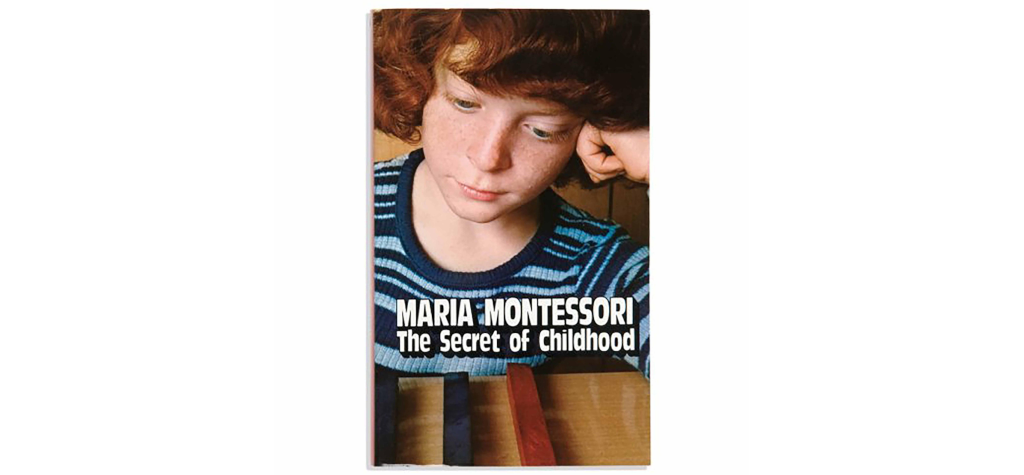
“The Secret of Childhood” (1936) is the reflective counterpart to the manuals, the book where Montessori sets out what observation is actually for. Her claim is bracing: the adult is usually the obstacle. Acting from love and good intentions, the adult substitutes their own tempo and their own solution for the child’s, and calls the resulting compliance education. The book asks the adult to watch first and watch long, and to treat the urge to intervene as the thing most in need of examination. This is the philosophical root under facilitation, put more sharply than the practice usually admits.
Observation as the discipline
Montessori’s observer is not passively present. Observing is the work, and it is hard because it means suppressing the reflex to help. A watching adult notices what a child returns to, what they avoid, where concentration gathers, and reads those as data about a real inner process rather than as behaviour to be managed. A security mentor doing the same watches which part of a problem a learner circles, what they skip, which question they are not asking, and resists supplying the answer that would end the discomfort and the learning together. The watching is the work, not the wait before it, and like any diagnostic skill it sharpens with practice.
The adult on trial
The book’s edge is moral. Montessori puts the adult, not the child, on trial: the tantrum, the resistance, the child who will not settle is read first as a sign that a genuine need has been thwarted by adult interference. Transposed with care, this reframes the learner who disengages or games the exercise. Before it is a motivation problem, it may be a signal that the environment offered nothing worth engaging, or corrected them so fast they never got to think. The reading turns reflection from a debrief into an enquiry, one that puts the facilitator’s own conduct inside what gets examined.
Where the child stops being a model
The strain shows at sensitive periods. Montessori’s most load-bearing idea in this book is that childhood has windows, stretches when a specific capacity is acquired almost effortlessly and which then close. Adults do not have them, or not in that shape; a professional can pick up a new domain at forty, slower but by no route that has shut. A security-learning programme leaning on sensitive periods borrows a mechanism that is not there, and the borrowing tends to smuggle in a quiet fatalism about who can still learn what. The observational ethic and the moral point about interference cross over intact. The developmental biology stays in the nursery, and a review that dresses it as an adult finding is selling a metaphor as a fact.
Last updated: 15 July 2026